



Project Detail
A UK-based executive coaching company was running Google Search Ads and Meta Ads independently with separate agencies managing each platform. There was no coordination between channels, no shared attribution model and no unified reporting. CPL across the combined spend was £68. The goal was to integrate both channels under a single strategy and reduce blended CPL to under £45.
Client
UK Executive
Coaching Company
Year
2025
Services
Cross-Channel Strategy,
Google Ads, Meta Ads,
Attribution Modelling




From discovery to deployment, every phase of the project focused on delivering a seamless user experience.
Process:
- Unified Audit — Audited both Google and Meta accounts simultaneously to identify audience overlap, messaging inconsistency and attribution gaps.
- Channel Role Definition — Assigned Google Search the role of capturing existing demand through branded and high-intent keywords. Assigned Meta the role of creating demand through awareness and consideration campaigns targeting new audiences.
- Messaging Alignment — Rewrote both Google ad copy and Meta ad creative to carry a consistent value proposition across both platforms, removing the inconsistency that was confusing prospective clients.
- Shared Audience Strategy — Used Meta engagement audiences and website custom audiences to build retargeting lists that informed both Meta retargeting and Google RLSA campaigns.
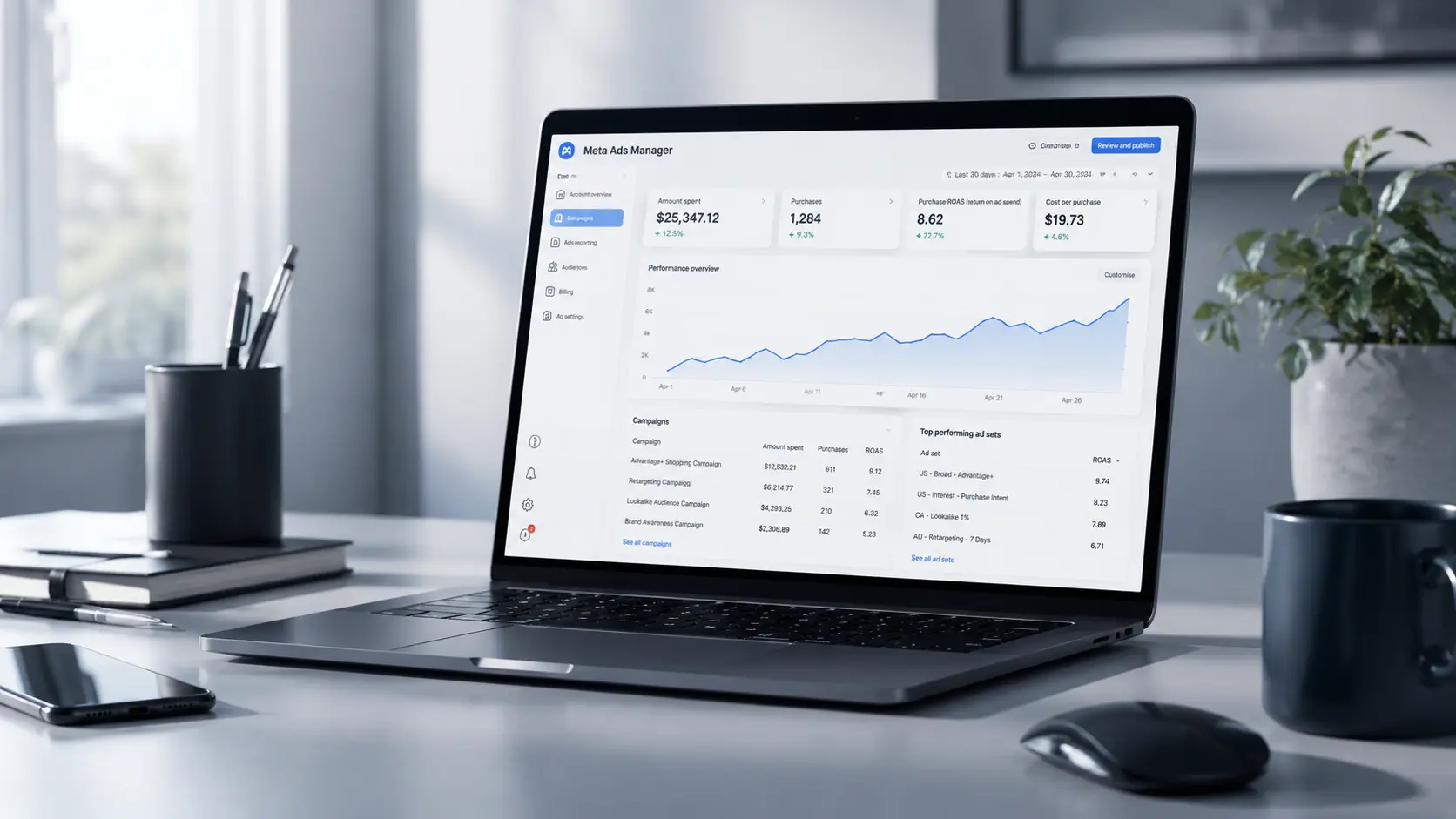
- Unified Reporting — Built a single reporting dashboard combining Google Ads and Meta data with shared CPL, ROAS and conversion rate metrics across both channels.
- Budget Reallocation — After 30 days of unified data, reallocated budget from the lowest-performing segments in each platform to the highest, guided by blended CPL rather than platform-specific metrics.
Key Features Implemented:
- Unified audit across Google and Meta simultaneously
- Clear channel role definition — demand capture vs demand creation
- Consistent messaging architecture across both platforms
- Shared audience retargeting strategy feeding both channels
- Single blended CPL reporting dashboard
Client Quote:
“Having two separate agencies for Google and Meta was creating confusion. Safeer gave us one strategy, one direction and one report. Our CPL dropped significantly and for the first time we understood where every lead was coming from.”
Client
Final Thoughts
The most significant inefficiency in multi-channel advertising is treating each platform as a separate business rather than one interconnected system. When Google and Meta run independently with different messaging, different audiences and different reporting, you lose the compounding effect that cross-channel consistency creates. The prospect who sees your Meta ad on Monday and your Google Search ad on Thursday should feel like they are encountering the same brand with the same clear message. When they do, conversion rates improve across both channels simultaneously.
Leave a Reply